It’s Time to Plan Fungicide/Insecticide on Soybeans
Jul 07, 2026
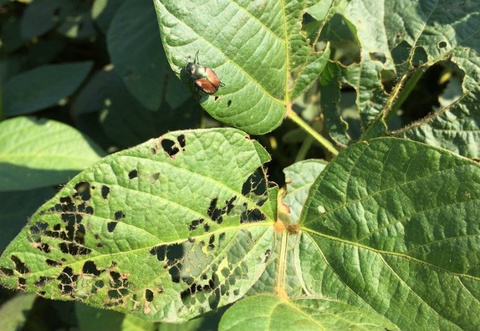
The mixture of heat and rain we’ve received so far this season has made for thriving crops, but it also means that pests like disease and insects are thriving as well. Daniel Klinke, Federated sales agronomist based in Osceola, offers some advice so you can make sure you know when to apply your fungicides and insecticides.
“If you have white mold issues, the best time to spray fungicide is R1,” Klinke said. “Make sure to use a fungicide that is labeled for suppression of white mold, like Miravis® Neo. If you are strictly spraying for plant health and pod fill, you can push out your application timing from R1-R3.”
Federated offers multiple fungicide options. Miravis Neo and MiCrop® are our two most popular products. “Fungicide has been proven to keep your bean plants healthier longer into the season,” Klinke said. “This way, they have the most time to fill pods for the best yield.”
Insecticide timing, on the other hand, is based on scouting for insect damage on the plants.
“Make sure to keep an eye on your crops throughout the season,” Klinke said. “Chances are, you will see damage on the plant leaves.”
If you do see signs of insect damage, act quickly. “Do not wait for insects to become a heavy infestation before you decide to spray,” Klinke said. “Most insecticides are very economical in price, so you don’t have to wait long to get your money’s worth.”
To minimize insect damage to your final yield, it’s best to spray before your plants get into the reproductive stage. We have already seen Japanese beetles in some of the fields in our geography, so be prepared to act quickly.
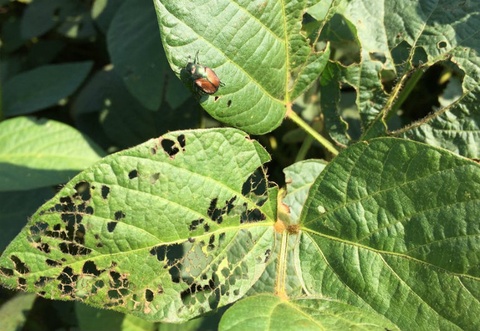
We've already seen Japanese beetles in our fields.
If you have any questions about insecticides, fungicides, or anything else, don’t hesitate to call your Federated Agronomist.